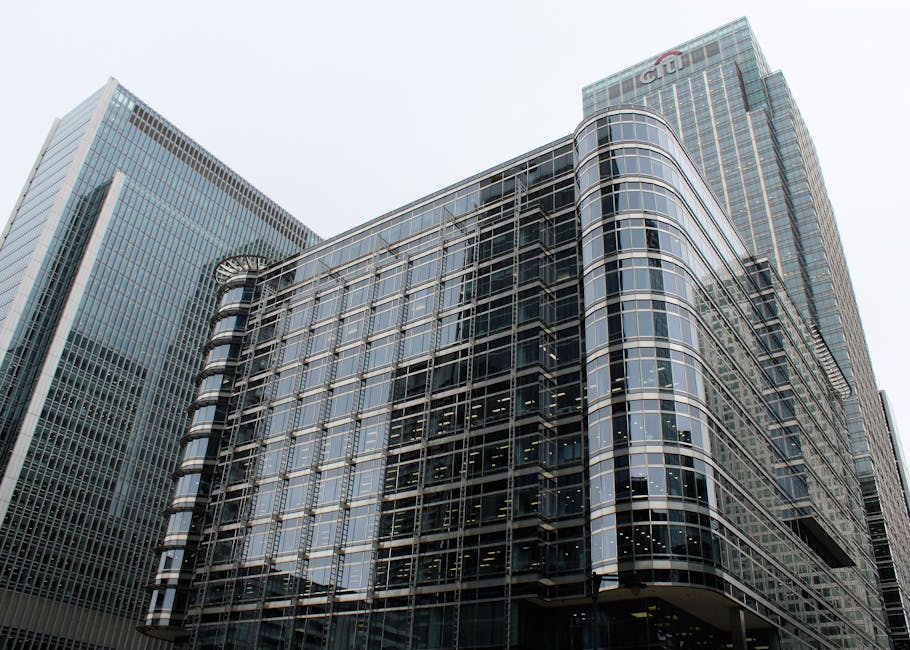
Sofa cleaning for Canary Wharf offices London
If your office sofa has started to look a bit tired, you are not alone. In busy workplaces, fabric seating picks up dust, coffee marks, food crumbs, skin oils, and that faint lived-in smell that seems to appear by Friday afternoon. Sofa cleaning for Canary Wharf offices London is about more than making furniture look presentable; it helps keep reception areas, breakout spaces, and meeting rooms feeling professional, comfortable, and ready for clients or staff.
Canary Wharf is a fast-moving business district. People come and go all day, visitors sit down for five minutes or fifty, and furniture gets used hard. That is exactly why upholstery cleaning matters in offices here. In this guide, we will look at how office sofa cleaning works, what methods are best, when to book it, what to avoid, and how to choose a sensible approach for your workspace. Nothing fluffy. Just practical, useful advice you can act on.
There is a good chance your sofa does not need replacing. It may just need the right clean.
Table of Contents
- Why Sofa cleaning for Canary Wharf offices London Matters
- How Sofa cleaning for Canary Wharf offices London Works
- Key Benefits and Practical Advantages
- Who This Is For and When It Makes Sense
- Step-by-Step Guidance
- Expert Tips for Better Results
- Common Mistakes to Avoid
- Tools, Resources and Recommendations
- Law, Compliance, Standards, or Best Practice
- Options, Methods, or Comparison Table
- Case Study or Real-World Example
- Practical Checklist
- Conclusion
- Frequently Asked Questions
Why Sofa cleaning for Canary Wharf offices London Matters
Office sofas are one of those things people barely notice when they are clean, then suddenly cannot ignore when they are not. In a Canary Wharf office, that matters because first impressions happen quickly. A visitor waiting in reception will notice the seating before they notice the brand video on the wall or the coffee machine humming away. Staff notice too. No one wants to settle into a stained, flattened, or stale-smelling sofa at the end of a long day.
There is also a practical side. Upholstered furniture holds onto dust, allergens, spilled drinks, and fine dirt from shoes and clothing. In a busy London office, that build-up happens quietly. You may not see it from across the room, but you will feel it eventually. Fabric starts to look dull, cushions lose their shape faster, and some smells simply will not shift with surface wiping. Truth be told, a quick spray-and-wipe approach rarely does the job.
For office managers, facilities teams, and landlords, regular sofa cleaning can also help protect the value of your furnishings. Replacing commercial seating is expensive and disruptive. Professional upholstery care buys you time and keeps the space looking managed rather than neglected. That is especially relevant in Canary Wharf, where presentation and efficiency tend to matter in equal measure.
And there is a morale angle too. Staff tend to use nicer spaces more naturally. A clean breakout area can make a meeting feel less like a rushed chore and more like a place people actually want to use. Small thing? Maybe. But small things add up.
How Sofa cleaning for Canary Wharf offices London Works
Office sofa cleaning is not one single process. The right method depends on the fabric type, the level of soiling, how much time you have before the furniture needs to be used again, and whether the upholstery is leather, synthetic, wool blend, or something more delicate. A proper clean usually starts with inspection, not spraying everything and hoping for the best. Sensible, really.
In practice, the process often includes these stages:
- Inspection and fibre identification - The cleaner checks the material, any labels or care tags, and the condition of the sofa. This helps avoid shrinkage, colour bleed, or fabric damage.
- Dry vacuuming - Loose dust, crumbs, and grit are removed first. This step is boring but essential. Skip it and you simply turn dry dirt into sludge later.
- Pre-treatment - Stains, heavy traffic areas, and visible marks are treated with suitable products based on the fabric and the type of stain.
- Deep cleaning or extraction - Depending on the sofa, this may involve hot water extraction, low-moisture cleaning, foam cleaning, or specialist upholstery methods.
- Detail work - Creases, seams, armrests, and head-rest areas often need manual attention because that is where dirt collects first.
- Drying and final grooming - The furniture is left to dry properly, sometimes with airflow support. The fabric may then be brushed or reset for a neater finish.
If the sofa is leather, the process changes. Leather needs careful cleaning, conditioning, and the right pH-balanced products. If the wrong cleaner is used, the surface can dry out or become patchy. Not ideal, and quite avoidable.
For office environments, low-disruption methods are often preferred. Many teams want the work carried out outside peak hours, around meetings, or after the office closes. That is sensible because a sofa that is still damp in a busy reception area is not much use to anyone.
Key Benefits and Practical Advantages
A clean office sofa is not just about appearance, although let's not pretend appearance is irrelevant. In a professional setting, clean upholstery supports the overall feel of the workplace. It says the office is looked after. It suggests standards matter. Visitors may never comment on it, but they will register it.
- Better first impressions - Reception seating is part of the workplace handshake. If the sofa looks cared for, the whole space feels more credible.
- Improved comfort - Clean upholstery feels fresher and more pleasant to sit on, especially in shared areas used throughout the day.
- Reduced odours - Spills, food residue, and general build-up can create lingering smells that regular surface cleaning will not remove.
- Longer furniture life - Dirt works like sandpaper over time. Professional cleaning helps slow down wear.
- Better hygiene - While cleaning is not the same as sterilising, it does remove a lot of the grime that accumulates in busy shared seating.
- Less need for replacement - Regular maintenance is usually far more economical than premature refitting.
There is also a planning benefit that gets overlooked. Once you know your sofas can be cleaned properly, office managers can set a maintenance schedule rather than waiting for visible damage. That shifts the job from emergency mode to routine housekeeping. Much calmer. Much better.
Expert summary: For Canary Wharf offices, the best sofa cleaning is usually the one that protects the fabric, dries in a reasonable time, and causes the least disruption to staff and visitors.
Who This Is For and When It Makes Sense
Sofa cleaning for Canary Wharf offices London makes sense for a wide range of workplaces. It is not only for large corporate headquarters with polished reception lounges. Smaller studios, serviced offices, co-working spaces, legal firms, financial services teams, consultancies, and client-facing businesses all benefit when soft furnishings are kept clean.
You will especially want it if any of the following sounds familiar:
- your sofas are in daily use by staff or visitors
- the upholstery looks dull, flattened, or marked
- you can smell old coffee, food, or general office odour
- there has been a spill that did not fully lift
- you are preparing for a client visit, inspection, move, or refurbishment
- you want to protect high-quality furniture rather than replace it early
It is also a smart move after busy periods. Think quarterly review season, end-of-financial-year pressure, or the weeks when everyone seems to be living off tea and biscuits. Offices do not get dirty in one dramatic moment. They get used, steadily, day after day. That is why the timing matters.
If you manage a reception area in a tower near the station or a shared workspace with a lot of foot traffic, frequent cleaning may be worth it. If the sofa is tucked away in an executive meeting room and used only occasionally, a lighter maintenance schedule may be enough. The point is to match the clean to the actual use, not just the calendar.
Step-by-Step Guidance
If you are organising sofa cleaning in an office for the first time, here is a practical way to handle it without making it more complicated than it needs to be.
- Assess the furniture
Look at the number of sofas, the upholstery type, and the main problems. Is it stains, odour, dust, wear, or all four? A quick walkaround often tells you more than a spreadsheet does. - Check access and timing
Decide whether the work needs to happen before opening, after closing, or during a quiet window. In Canary Wharf offices, timing can be the difference between smooth sailing and a slightly awkward day. - Confirm the fabric type
Fabric, faux leather, genuine leather, and mixed materials need different treatment. If you are unsure, do not guess. Guessing is how people end up with water rings or colour loss. - Identify stains and risk areas
Coffee, wine, ink, food grease, and body oils all behave differently. A good cleaner should treat stains based on what they are, not just apply one product to everything. - Prepare the area
Clear cushions, move side tables, and protect nearby items if needed. The cleaner should be able to work safely without weaving around clutter. - Agree the method
Choose the cleaning approach that best suits the sofa and downtime available. Low-moisture methods may be better where drying time is limited. - Dry properly
Do not rush this. A sofa that is damp at closing time may still be fine by morning, but only if ventilation is good and the fabric has been treated correctly. - Inspect the finish
Check the result once dry. Look at seams, arms, corners, and any previously marked areas. It is easier to spot issues early than after everyone has sat back down.
A useful rule of thumb: if you would not put a white shirt through the wash without checking the label, do not clean office upholstery without checking the fabric first. Same idea, different scale.
Expert Tips for Better Results
There are a few habits that make a big difference to the final result. None of them are dramatic, but they save hassle.
- Vacuum before stains set in - Loose debris is easier to remove before it gets pushed deeper into the fabric.
- Act on spills quickly - Blot, do not rub. Rubbing pushes liquid further into the fibres and can spread the stain.
- Know your fabric code - Many office sofas have care instructions that tell you what is safe. If that tag exists, use it.
- Test in a hidden spot - Especially for delicate materials, a small test area can save a costly mistake.
- Plan around use patterns - If the sofa is busiest on Tuesdays and Thursdays, schedule work for quieter periods. Obvious perhaps, but often missed.
- Use airflow after cleaning - Open internal doors, improve ventilation, or use fans if appropriate. Drying matters as much as cleaning.
- Keep a simple maintenance log - Even a basic note of when the sofa was last cleaned helps track wear and decide when to book again.
One thing we often tell office managers: do not wait until every cushion looks tired. By then, the job is harder. Regular maintenance is easier on the furniture and easier on the budget, too.
If your office sees lots of visitors, think in terms of prevention rather than rescue. That mindset alone can save a lot of grief.
Common Mistakes to Avoid
There are a few very common errors in office upholstery care. Most are understandable. Some are just a bit careless, if we are honest.
- Using the wrong product - Some cleaners are too harsh for delicate fabrics. A powerful product is not automatically a better one.
- Over-wetting the sofa - Too much moisture can lead to long drying times, residue, or even fabric distortion.
- Scrubbing stains aggressively - This often makes the area look worse, not better, and can damage the pile or weave.
- Ignoring hidden areas - Armrests, seams, and back cushions usually hold more dirt than the visible front panels.
- Forgetting the cause of the stain - Not every mark is the same. Ink, grease, and drink spills behave differently.
- Cleaning only when the sofa looks bad - By then, the build-up is often deeper and more stubborn.
- Assuming all upholstery is the same - It is not. Fabric, leather, and synthetic blends all need different care.
A small but important point: if a sofa has hidden damage, loose stitching, or worn fabric, cleaning alone will not fix the underlying issue. It may still improve appearance, but sometimes the honest answer is that the item needs repair or replacement. Better to know that early than to discover it mid-clean.
Tools, Resources and Recommendations
You do not need a cupboard full of specialist gear to keep office sofas in good shape, but a few tools and routines help a lot. For day-to-day maintenance, a decent vacuum with upholstery attachments is usually the first line of defence. A soft brush helps lift dust from seams and textured fabric. Microfibre cloths are useful for blotting spills quickly without leaving lint behind.
For deeper work, professional cleaners often rely on upholstery extractors, controlled moisture systems, spot treatment solutions, and fabric-safe deodorisers. If a cleaner uses steam, they should understand the fabric first. Steam is useful in some situations, but it is not a magic wand. It can be the right tool, or the wrong one, depending on the material.
Some businesses also link sofa cleaning into broader workplace care, alongside services such as office cleaning, deep cleaning, and upholstery cleaning. That makes sense in a busy office because soft furnishings, carpets, and high-touch surfaces tend to age together. If one area is dirty, the others are usually not far behind.
For softer furnishings in communal spaces, it can also be useful to pair sofa care with carpet cleaning or rug cleaning. The room then feels properly refreshed instead of half-done. You know the feeling: one clean sofa in a dusty room still looks, well, a bit odd.
If you are comparing providers, it is sensible to ask how they handle fabric testing, drying times, insurance, and access arrangements. If they cannot explain the process clearly, that tells you something too.
Law, Compliance, Standards, or Best Practice
Office sofa cleaning in London is not usually a heavily regulated activity in itself, but businesses still need to think about health and safety, duty of care, and basic workplace hygiene. In practical terms, that means cleaners should work safely, use suitable products, and avoid creating trip hazards, excessive moisture, or chemical exposure risks in occupied premises.
For office managers, best practice normally includes:
- making sure work is scheduled so it does not disrupt safe access routes
- checking that cleaning products are suitable for the furniture and the environment
- keeping internal risk assessments and safety procedures in mind
- ensuring proper ventilation during and after cleaning
- using insured and trained cleaners for more delicate or high-value upholstery
If your workplace has its own facilities policy, building management requirements, or landlord rules, it is wise to follow those too. Canary Wharf buildings can be particular about access, lift bookings, loading arrangements, and permitted working hours. That is not unusual, just part of the rhythm of managing space in a major commercial area.
There is also a plain common-sense point here: chemicals should be stored, handled, and used responsibly, especially where staff, visitors, or clients are on site. If a provider cannot explain their safety approach in straightforward language, I would keep looking.
Options, Methods, or Comparison Table
Different sofas need different approaches, and different workplaces need different levels of interruption. Here is a simple comparison that may help when you are deciding what is appropriate.
| Method | Best for | Advantages | Limitations |
|---|---|---|---|
| Vacuuming and surface care | Light maintenance between deeper cleans | Quick, low-cost, helps prevent build-up | Will not remove deep stains or odours |
| Foam or low-moisture cleaning | Busy offices with limited drying time | Lower downtime, less risk of over-wetting | May be less effective on heavy soiling |
| Hot water extraction | Fabric sofas with embedded dirt | Strong deep-clean effect, good for grime and residues | Longer drying time, not suitable for all fabrics |
| Specialist leather cleaning | Leather reception seating and executive areas | Targets dirt without damaging the finish when done correctly | Needs careful product selection and conditioning |
| Spot treatment only | Isolated stains on otherwise clean seating | Fast and targeted | May leave surrounding soiling untouched |
If you are unsure which method fits your office, the safest route is usually a fabric assessment first. That one step prevents a lot of guesswork. And guesswork, in upholstery cleaning, has a habit of getting expensive.
Case Study or Real-World Example
Here is a realistic office scenario. A small Canary Wharf consultancy had two fabric sofas in a waiting area and a larger corner sofa in a staff breakout room. Over time, the seating had picked up coffee marks near the arms, a slight food smell in the cushions, and a general dullness that no amount of surface wiping could lift. Nothing dramatic. Just enough to make the space feel a bit worn.
The team first checked the care labels and identified the fabric type. Cleaning was arranged after office hours so the sofas could dry overnight. High-traffic areas were pre-treated, the cushions were deep cleaned with a low-moisture upholstery method, and the armrests were detailed by hand. The reception sofa needed the most work because that was where visitors waited with umbrellas, takeaway coffees, and the occasional muddy coat on a rainy day. Very London, really.
By the next morning, the room felt noticeably fresher. The sofas looked brighter, the lingering smell had gone, and the office manager said the whole space felt more inviting without any furniture replacement at all. Not glamorous. Just effective. And that is often the best kind of result.
The useful lesson? Regular maintenance in a high-use office can prevent the slow slide from "slightly tired" to "we should probably replace this." That gap is wider than people think.
Practical Checklist
Before booking sofa cleaning for your office, run through this checklist. It saves time and avoids awkward surprises.
- Identify how many sofas or upholstered seats need cleaning
- Check whether the fabric is leather, synthetic, or mixed
- Note any visible stains, odours, or worn areas
- Confirm when the furniture can be taken out of use
- Ask about drying time and ventilation requirements
- Make sure nearby items can be moved or protected
- Check whether the provider is insured for office work
- Ask how they deal with delicate or specialist fabrics
- Clarify whether the clean is part of a wider office maintenance plan
- Set a reminder for the next maintenance clean
Quick tip: If the sofa is in your reception area, schedule cleaning before a busy week rather than after it. You will feel the difference immediately.
That little bit of planning can make the whole job smoother, and honestly, a lot less stressful.
Conclusion
Sofa cleaning for Canary Wharf offices London is a practical investment in how your workplace looks, feels, and functions. Clean upholstery supports first impressions, improves comfort, and helps your furniture last longer. It also makes the office feel more controlled and cared for, which is especially useful in a place where presentation matters and people are often moving quickly from one meeting to the next.
The key is to choose the right method for the fabric, schedule the work at a sensible time, and avoid the common mistakes that lead to over-wetting, damaged material, or disappointing results. Keep it simple, keep it regular, and do not wait until the sofa is beyond saving. Most of the time, a well-timed clean does far more than people expect.
If your office seating is starting to look a bit worn or you simply want a fresher, smarter space for staff and visitors, now is a very good time to act.
Get a free quote today and see how much you can save.
Sometimes the smallest improvements make the whole office feel lighter. And that is worth sorting properly.
Frequently Asked Questions
How often should office sofas be cleaned in Canary Wharf?
It depends on use. Busy reception areas and breakout spaces may need deeper cleaning more often than quiet meeting rooms. A sensible schedule is based on traffic, visible soil, and whether spills happen regularly.
Can sofa cleaning be done outside office hours?
Yes, and in many Canary Wharf offices that is the preferred approach. Evening or weekend cleaning helps minimise disruption and gives the furniture more time to dry before staff return.
How long does an office sofa take to dry?
Drying time varies by fabric, method, and ventilation. Low-moisture methods dry faster, while deeper extraction cleaning usually takes longer. Good airflow makes a real difference.
Will cleaning remove old coffee or tea stains?
Often it can improve them a lot, but results depend on the fabric, how long the stain has been there, and whether the mark has already set. Older stains are always trickier.
Is sofa cleaning safe for delicate upholstery?
It can be, provided the cleaner identifies the fabric correctly and uses the right method. Delicate materials should always be tested first, ideally in a hidden area.
Do leather office sofas need different care?
Yes. Leather needs gentler cleaning products and often conditioning after cleaning. Using the wrong product can dry it out or affect the finish.
What is the difference between upholstery cleaning and sofa cleaning?
Upholstery cleaning is the broader term for cleaning fabric-covered furniture. Sofa cleaning is the more specific job of cleaning sofas and similar seating. In practice, the terms often overlap.
Can sofa cleaning help with office odours?
Yes, especially where smells come from absorbed spills, dust, or general build-up in the fabric. If an odour keeps returning, though, the cause may need closer inspection.
Should office sofas be cleaned at the same time as carpets?
Often, yes. Many offices benefit from cleaning soft furnishings and floors together because the room then feels uniformly refreshed. It is usually more efficient too.
How do I know if my sofa needs cleaning or replacing?
If the frame is sound and the fabric is not badly damaged, cleaning may be enough. If there is severe wear, torn fabric, or structural sagging, replacement may be the better option.
Is there any risk to staff or visitors during cleaning?
There can be if the area is not managed properly. That is why timing, ventilation, and safe product use matter. A professional approach should keep disruption and risk low.
Why choose a local London service for Canary Wharf offices?
Local teams are usually better placed to understand access timing, building restrictions, and the pace of the area. In a place like Canary Wharf, that practical awareness helps more than people sometimes realise.
If you are planning sofa cleaning for a workplace in Canary Wharf, a careful, well-timed clean can make the whole office feel sharper without any drama. And that, to be fair, is exactly what good maintenance should do.