Health and Safety Policy for Carpetcleaning Services
Purpose: This policy sets out the commitment of our carpet cleaning teams to deliver safe and effective carpet care across a range of environments. It applies to all staff, contractors and anyone involved in providing carpet-cleaning services, whether residential, commercial or specialist restoration work. The aim is to minimise risk, protect health and ensure safe systems of work while maintaining high standards of professional carpet cleaning and hygiene.Scope and Responsibilities
The scope covers cleaning operations, vehicle and mobile unit safety, use of hot water extraction and dry cleaning equipment, handling of cleaning chemicals, storage and disposal of waste, and interaction with clients and building occupants. Management retains overall responsibility for implementing this policy and must ensure that risk assessments are current and available. Employees are required to follow safe working practices, attend training and report hazards. Supervisors will monitor compliance, and all operatives must participate in incident reporting and corrective actions.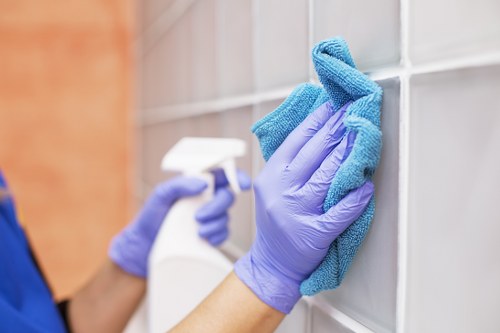
Risk Assessment and Planning
Every job requires a documented risk assessment prior to commencement. Assessments should consider: access and egress, floor coverings, electrical sockets, trip hazards, manual handling, ventilation, and the presence of vulnerable people such as children, elderly or immunocompromised occupants. Professional carpet cleaning operations must plan for safe cord management, secure work zones, and contingency for spills and accidents. Control measures should be recorded and communicated to the crew and client where relevant.Training, Competence and Supervision
All operatives must be trained in safe use of equipment (extractors, rotary machines, steam systems), correct mixing and dilution of cleaning agents, and first aid basics. Training records will be maintained and refreshed regularly. Supervisors shall assess competence for specialised tasks such as stain removal with solvents, mould remediation, or upholstery cleaning. Competent staff reduce incidents and improve outcomes for carpetcleaning operations. Personal Protective Equipment (PPE) and Hygiene
Suitable PPE must be provided and worn for each task: gloves, eye protection, non-slip footwear and, where necessary, respiratory protection. Workers must practice good hygiene, wash hands after chemical handling, and avoid eating or drinking in contaminated areas. Clothing should be laundered or isolated to prevent cross-contamination from soiled carpets to clean environments. For commercial carpet cleaning, site-specific PPE requirements will be followed in addition to the standard policy.
Personal Protective Equipment (PPE) and Hygiene
Suitable PPE must be provided and worn for each task: gloves, eye protection, non-slip footwear and, where necessary, respiratory protection. Workers must practice good hygiene, wash hands after chemical handling, and avoid eating or drinking in contaminated areas. Clothing should be laundered or isolated to prevent cross-contamination from soiled carpets to clean environments. For commercial carpet cleaning, site-specific PPE requirements will be followed in addition to the standard policy.
Safe Use of Chemicals and Detergents
Only approved carpet cleaning chemicals shall be used and they must be stored in clearly labelled containers. Material Safety Data Sheets (MSDS) or equivalent information shall be accessible on every job. Operators must adhere to manufacturers' dilution rates and never mix products unless explicitly permitted. Spill kits should be available where large volumes are used, and accidental exposure procedures must be known by all personnel.Equipment, Electrical Safety and Hot Water Systems
All extraction machines, vacuums and heating units must be maintained to manufacturer standards with routine inspections. Electrical safety checks should be performed before use, and portable appliance testing undertaken in accordance with organisational schedules. Hoses and cables must be laid to avoid trip hazards; where unavoidable, cord covers or signage must be used. When using hot water extraction, ensure temperature controls and pressure relief devices are operational to prevent burns and scalds during carpet cleaning services.
Manual Handling, Access and Working at Height
Lifting of heavy machinery, water tanks and rolled carpets requires team handling, mechanical aids or trolleys. Training on manual handling techniques is mandatory. For work on stairs or mezzanines, assess risks and implement edge protection, harnesses or secure platforms where appropriate. Never improvise supports; always use equipment designed for the task to protect staff and clients during residential or commercial carpet-cleaning visits.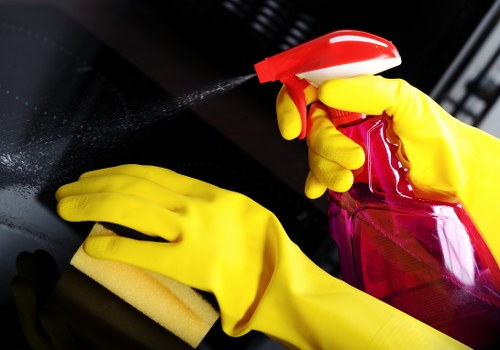
Emergency Procedures, Incident Reporting and Continuous Improvement
Emergency arrangements must be clear and practiced: first aid provision, emergency contacts within the organisation, and procedures for chemical spills, fire or exposure incidents. All incidents, near misses and unsafe conditions must be reported promptly and investigated to identify root causes and corrective actions. Management will review incident trends and update the safety program accordingly to promote a culture of learning and prevention across all carpet cleaning activities.Waste Management and Environmental Controls
Wastewater, used pads and chemical containers must be disposed of responsibly. Where possible, eco-friendlier cleaning agents should be selected to reduce environmental impact. Operators shall segregate waste and follow site-specific disposal rules. Noise and odour controls must be considered for sensitive environments, especially during night or early morning operations in multi-tenant buildings.Monitoring, Review and Policy Adoption
This health and safety policy for carpet cleaning services will be reviewed annually or after significant incidents, operational changes or regulatory updates. Regular on-site audits and performance reviews will ensure compliance with safe work practices. Management commits to providing the resources necessary to implement this policy, and staff are encouraged to contribute suggestions for safer, more efficient carpet and upholstery cleaning methods.Summary of key actions:
- Conduct pre-job risk assessments for every task
- Provide and enforce use of appropriate PPE
- Maintain equipment and follow chemical guidance
- Record training, incidents and corrective actions
- Promote continuous improvement for safe carpet care